


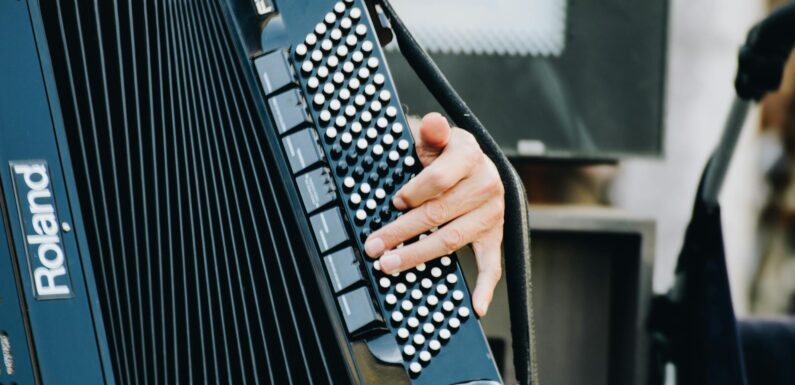
The accordion, which was invented in 1829 Vienna, spread to other parts of the world through the immigrant population, bringing portable music and harmony to folk cultures. Its bellows breath spoke dances, and localized sounds were changed into the world genres.
European Folk Foundations
The Bohemian polka sprang in Czech halls in the 1830s–vigorous 2/4 bounces with basses of the left hand oom-pah. Irish button boxes competed with jigs and reels by 1870s; French musette valsed Parisian cafes with chromatic flourishes. Italian tarantella danced hot peasant moves.
American Regional Explosions
German-Texan norteinos/conjunto added three-row accordions to bajo sexto guitars to play gritty corridos- Flaco Jiménez took border stories to the world. Louisiana bayous were groaned to by Cajun two-steps; Clifton Chenier, zydeco, thrilled single-row triplets on washboard scrubs.
Latin American Passion
The bandoneon (buttoned version) of Argentina characterized tango- Piazzolla nuevo tango propelled through the air symphonically out of Buenos Aires dives. Colombian vallenato throbbed the tropical beats; Mexican ranchera sang the blues.
Modern Crossovers
It was adopted by 20 th -century rock (Tom Waits gravel), indie folk (Lumineers hoots) and klezker wails. Nordic humppa was a mixture of polka-tango; Balkan kolo required speed.
The genius of accordion: cultural identity was transported across the oceans by one-player orchestra. It exhales community soul – folk heart, world lungs, between polka spins and norteño laments.
